
Why Allied Health Professionals Are Becoming Essential to Modern Healthcare
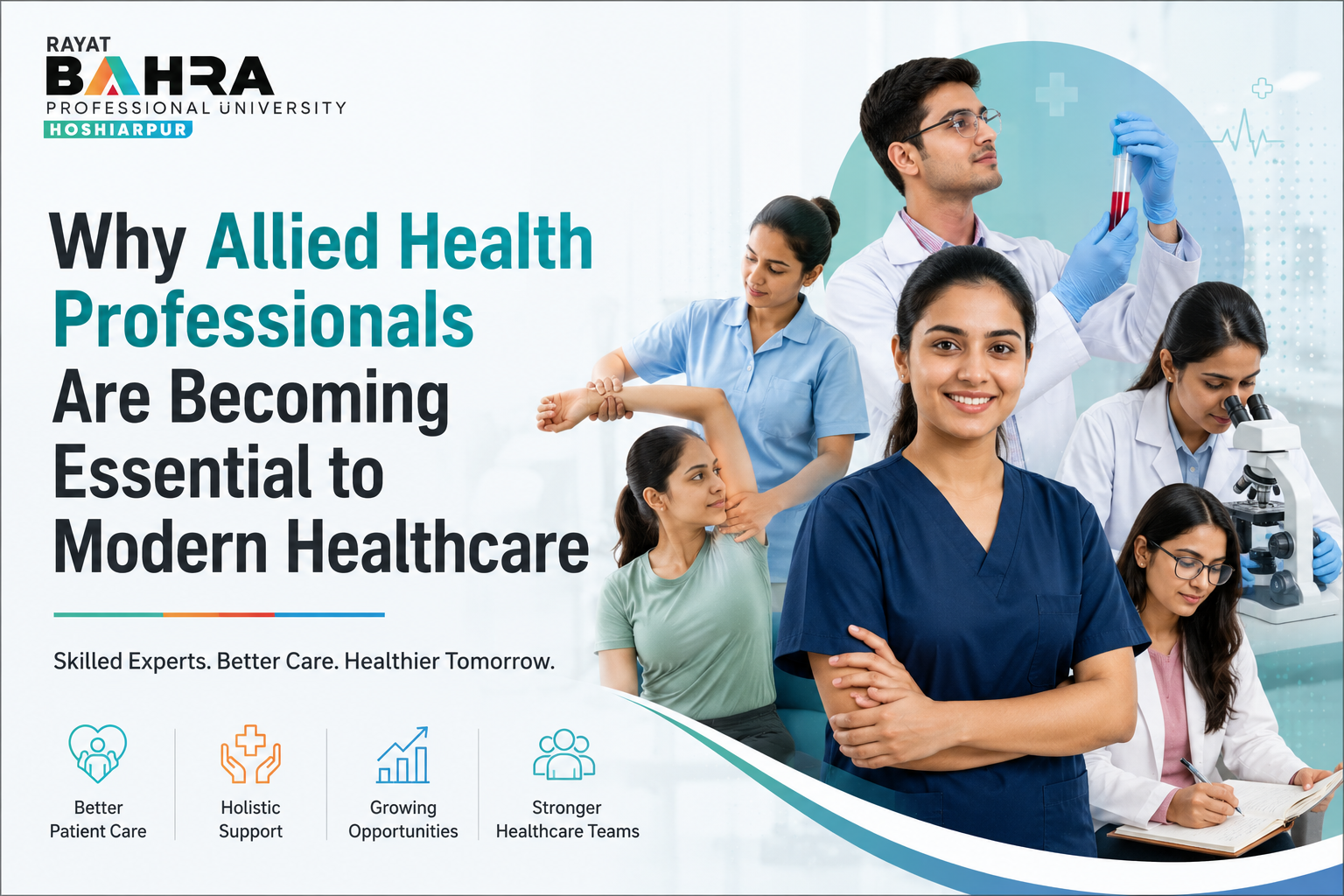
When people think about healthcare careers, doctors and nurses are often the first professionals who come to mind. But modern healthcare is much bigger than the consultation room. Behind every diagnosis, treatment plan, surgery, rehabilitation programme, and patient recovery is a wider team of trained professionals working together.
This is where allied health professionals play an important role.
From physiotherapists and occupational therapists to medical laboratory professionals and psychologists, these specialists contribute to different stages of patient care. As healthcare becomes more specialised and technology-driven, their role is becoming increasingly important.
What Are Allied Health Professionals?
Allied health professionals are trained specialists who contribute to healthcare through areas such as diagnosis, rehabilitation, therapy, prevention, and patient support. They work as part of multidisciplinary healthcare teams alongside doctors, nurses, and other professionals. India’s healthcare framework formally recognises the importance of allied and healthcare professions, with the National Commission for Allied and Healthcare Professions constituted to strengthen regulation, standards, and professional registration across allied healthcare fields.
In simple terms, healthcare does not end when a doctor makes a diagnosis. A patient may need laboratory testing, physical rehabilitation, occupational support, psychological care, or other specialised services. Allied health professionals help provide that broader continuum of care.
Why Is the Demand for Allied Health Professionals Growing?
Healthcare is becoming more complex. People are living longer, chronic conditions require long-term management, rehabilitation is becoming an important part of recovery, and healthcare technology continues to develop.
At the same time, healthcare systems need a skilled workforce across different specialisations. The World Health Organization notes that India is working to build a larger and more diverse health workforce, while also highlighting the need for continued investment in training and advanced specialities.
Globally, the need for health workers is also significant. WHO’s 2026 workforce report highlights continuing challenges around workforce availability, distribution, and future healthcare needs.
This makes allied healthcare an increasingly relevant career area for students who want to contribute to healthcare without following the traditional MBBS route.
Allied Health Careers Students Should Know About
One reason allied health education is attracting attention is the variety of career paths available.
Physiotherapy
Physiotherapists help patients improve movement, mobility, strength, and physical function. They may work with people recovering from injuries, surgeries, neurological conditions, or sports-related problems.
Career opportunities can extend across hospitals, rehabilitation centres, sports organisations, wellness clinics, and private practice.
Occupational Therapy
Occupational therapists help individuals regain the ability to perform everyday activities after illness, injury, disability, or other health challenges.
It is a particularly interesting field for students who want to combine healthcare knowledge with rehabilitation, functional training, and patient-centred care.
Medical Laboratory Sciences
A large part of healthcare depends on accurate diagnostic information. Medical laboratory professionals work with samples and diagnostic processes that help healthcare teams understand a patient’s condition and make informed decisions.
For students interested in biology, laboratory work, diagnostics, and technology, this can be a specialised healthcare career worth exploring.
Psychology
Healthcare is not only about physical wellbeing. Mental and emotional health are increasingly recognised as important parts of overall wellbeing.
Psychology offers opportunities to understand human behaviour, mental processes, emotional wellbeing, and different aspects of psychological support. It can open pathways across healthcare, education, counselling, organisations, and community settings, depending on qualifications and professional requirements.
Nursing and Other Healthcare Specialisations
Nursing also remains a crucial part of the healthcare workforce, working closely with doctors and patients throughout treatment and recovery. India’s nursing education system has expanded significantly, with thousands of institutions contributing a large number of trained professionals each year.
Together, these different professions demonstrate an important reality: modern healthcare depends on teams, not just individuals.
Why Practical Learning Matters in Allied Healthcare
Healthcare is a hands-on profession. Students need more than theoretical understanding to become confident healthcare professionals.
Practical training, laboratory experience, clinical exposure, demonstrations, case-based learning, and interaction with healthcare professionals can help students understand how their knowledge is applied in real situations.
This is particularly important in allied health education because every specialisation involves its own techniques, equipment, professional responsibilities, and patient-care practices.
For students, the right educational environment can therefore make a significant difference. A strong programme should help them develop technical knowledge while also building communication, observation, empathy, teamwork, and professional discipline.
Allied Healthcare Education at RBPU
At Rayat Bahra Professional University, healthcare education extends beyond conventional medical pathways through programmes designed for students interested in different areas of health and patient care.
The university offers opportunities in areas including B.Sc Nursing, Physiotherapy, Bachelor of Occupational Therapy, Psychology, and Medical Laboratory Sciences, allowing students to explore healthcare careers based on their individual interests and strengths.
The focus on practical learning and professional development helps students understand the connection between what they study and how healthcare services are delivered in real-world settings.
For students who want to build a healthcare career but are exploring options beyond MBBS, these fields can offer meaningful pathways into a rapidly evolving sector.
The Future of Healthcare Will Need More Than Doctors
Healthcare is moving towards a more collaborative model. Diagnosis, treatment, rehabilitation, mental wellbeing, laboratory services, technology, and preventive care all require different areas of expertise.
That is why allied health professionals are becoming essential to modern healthcare.
For students after Class 12, this also means there are more ways to build a career in healthcare than they may initially realise. The right choice depends on their interests, strengths, preferred work environment, and the kind of contribution they want to make to patient care.
The future of healthcare will not be built by one profession alone. It will be built by skilled professionals working together. And allied health professionals will be an increasingly important part of that team.