
Journalism and Mass Communication Scope in India 2026: Careers, Skills, and Opportunities
The media industry is no longer limited to newspapers and television channels. Today, every organisation, brand, startup, government department, and digital platform needs professionals who can create stories, communicate ideas, and build public trust. As a result, Journalism and Mass Communication has emerged as one of the most dynamic career choices for students after Class 12.
If you are planning your future and wondering whether Journalism and Mass Communication is a good career in 2026, the answer depends on one thing: whether you are learning the skills the industry actually needs. The profession has evolved rapidly, and so have the opportunities available to graduates.
Why Journalism and Mass Communication Is Growing in India
India is one of the world’s largest media and entertainment markets. With the rise of digital news platforms, podcasts, OTT services, corporate communication, influencer marketing, and content-driven businesses, the demand for skilled media professionals continues to increase every year.
Today’s journalism graduates are not restricted to reporting news. They are creating digital content, managing brand communication, producing documentaries, handling corporate reputation, developing social media campaigns, and telling stories across multiple platforms.
For students who enjoy creativity, communication, research, and technology, Journalism and Mass Communication offers diverse career opportunities with long-term growth.
Career Opportunities After Journalism and Mass Communication
One of the biggest strengths of this field is the wide range of careers it offers. Graduates can choose paths based on their interests and strengths rather than following a single career route.
Some of the most promising career options include:
- Journalist and News Reporter
- News Anchor
- Television and Radio Producer
- Public Relations Executive
- Corporate Communications Professional
- Digital Content Creator
- Social Media Manager
- Advertising and Brand Strategist
- Copywriter
- Video Producer and Editor
- Podcast Producer
- Media Research Analyst
- Event and Corporate Communication Specialist
As businesses continue investing in digital communication, skilled media professionals are finding opportunities across news organisations, advertising agencies, corporate companies, government departments, media houses, digital marketing firms, production studios, and start-ups.
The Skills Employers Expect in 2026
A journalism degree alone is no longer enough. Employers look for graduates who can adapt to modern media platforms and communicate effectively across different formats.
Some of the most valuable skills include:
- News writing and storytelling
- Video production and editing
- Mobile journalism
- Photography and visual communication
- Social media content strategy
- Public speaking and presentation
- Interviewing techniques
- Digital publishing
- Research and fact-checking
- Media ethics and responsible journalism
Students who develop these practical skills alongside academic knowledge are better prepared for internships, placements, and long-term career growth.
Why Industry Exposure Matters More Than Ever
The media industry moves quickly. Technologies, platforms, and audience preferences change almost every year. This is why practical exposure has become just as important as classroom learning.
Students who work on live projects, interact with media professionals, visit newsrooms, produce real content, and understand how media organisations function gain valuable experience before they graduate. This practical learning builds confidence and helps students transition smoothly into professional roles.
Recognising this need, Rayat Bahra Group has entered into an Exclusive Collaboration with The Tribune, Chandigarh, for its Bachelor’s and Master’s programmes in Journalism and Mass Communication. This collaboration gives students valuable exposure to one of India’s most respected media organisations, allowing them to better understand newsroom practices, editorial standards, media ethics, and the evolving landscape of journalism.
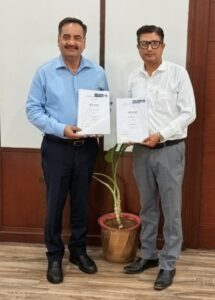
Such industry collaborations help bridge the gap between academic learning and professional expectations, ensuring that students graduate with both knowledge and practical insights.
Why Choose Journalism and Mass Communication at RBPU?
At Rayat Bahra Professional University, the School of Journalism and Mass Communication focuses on developing media professionals who are ready for today’s communication industry. The curriculum combines classroom learning with practical exposure, helping students build strong communication, reporting, production, and digital media skills.
With the support of experienced faculty, modern learning facilities, and industry-oriented initiatives, students are encouraged to explore multiple areas of media while building a professional portfolio throughout their academic journey.
The exclusive collaboration with The Tribune, Chandigarh further strengthens this learning experience by providing students with meaningful industry exposure that complements their classroom education.
If you are looking for a future-ready programme that blends classroom learning with real industry experience, the School of Journalism and Mass Communication at Rayat Bahra Professional University offers an environment where aspiring media professionals can develop the skills needed to succeed in the evolving world of communication.